Judaism 101

Walking the Ancient Paths

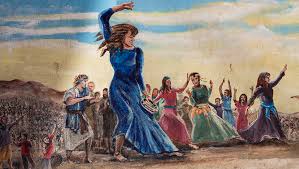
A Reflection on Parashat Behar–Bechukotai   This week’s Torah portion, Parashat Behar–Bechukotai, reminds us that true freedom is never just about escape—it is about responsibility, restoration, and relationship. In Behar, God commands the people concerning the Sabbath year and the Year of Jubilee. Land is to rest. Debts are released. Captives are freed. Families are […]

Walking the Ancient Paths Read More »

The Torah and Holy Kisses

Each week congregations worldwide celebrate the giving of the Torah (HaShem’s Divine instructions, His will, His Word) with a joyful “Torah Walk” around the sanctuary. As it passes, worshipers kiss the Torah mantle with a shawl or bible out of veneration for His word and loyalty to Adonai. In Judaism there’s a lot of kissing of holy

The Torah and Holy Kisses Read More »

Passover and Non-Jews

If there are aspects of the Passover Seder from which all people can learn, how much more so is this true for believers in Messiah? After all, our Master Yeshua chose the wine and the matzah of a Passover Seder to represent his body and blood. More than just learning about and celebrating the concept of freedom from oppression and exile, for disciples of Messiah, the seder celebrates Yeshua’s atoning death and resurrection while remaining firmly grounded and centered on God’s deliverance of the Jewish people from Egypt.

Gentiles being drawn to the God of Israel is a significant and beautiful part of this grand plan of redemption as we long for the even greater exodus that will come in the Messianic Era (Jeremiah 16:14-15). Rabbi David Fohrman writes:

The Exodus, as it actually happened in history, did not accomplish everything it might have. There is work yet to do to complete its unrealized vision. The procession that departed Egypt was a shadow of what it might have been. It will be the destiny of Jew and Gentile to one day realize the promise of that journey as it should have taken place: to march side by side and join hands, proclaiming in unison the oneness of a Father they both share.

Passover and Non-Jews Read More »

Chanukah

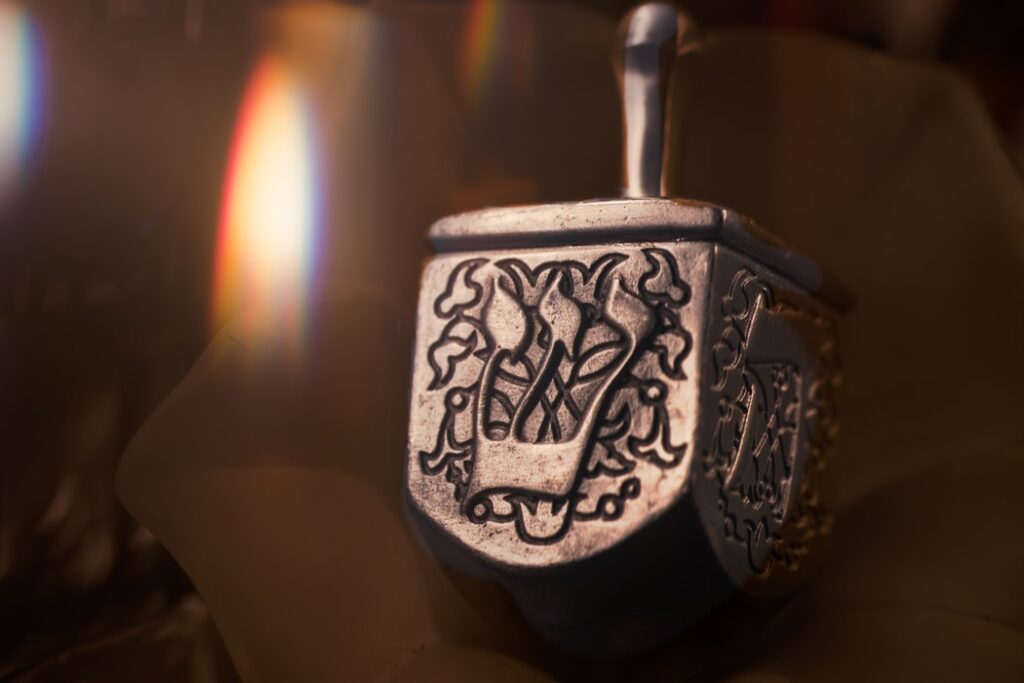
Chanukkah ( חנוכה ) means “dedication.” The Feast of Hanukkah is the Feast of Dedication. The events behind the festival of Hanukkah are found in the apocryphal book of 1 Maccabees. Therein the story is told of how Judah Maccabee and his heroic band of freedom fighters overthrew the tyrannical Seleucid forces that had subdued Judea and defiled the Jerusalem Temple.

The Hanukkah Story

In the time of Alexander the Great’s empire, the land of Israel found itself buffeted between world powers that sought to use her as a natural land bridge between Africa and Eurasia. The people of Israel were the victims of great political upheavals. War was never far from their land. In the meantime, another war was being waged among the people of Israel. Alexander’s conquests had introduced the world to Greek language, thought, custom, and philosophy.

Chanukah Read More »

Early Jewish Art

The Second Commandment and Its Interpretations
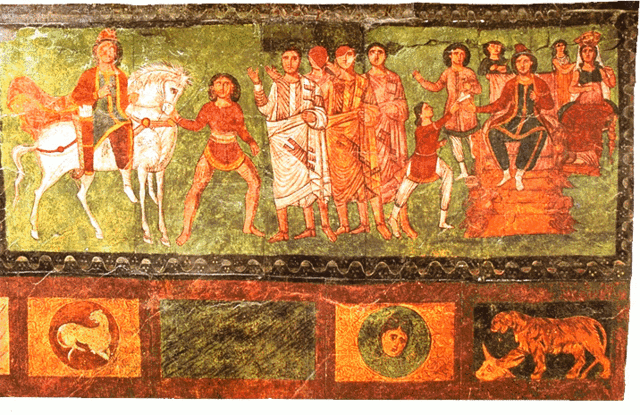
The Second Commandment, as noted in the Old Testament, warns all followers of the Hebrew god Yahweh, “Thou shalt not make unto thee any graven image.” As most Rabbinical authorities interpreted this commandment as the prohibition of visual art, Jewish artists were relatively rare until they lived in assimilated European communities beginning in the late eighteenth century.

Although no single biblical passage contains a complete definition of idolatry , the subject is addressed in numerous passages, so that idolatry may be summarized as the worship of idols or images; the worship of polytheistic gods by use of idols or images; the worship of trees, rocks, animals, astronomical bodies, or another human being; and the use of idols in the worship of God.

In Judaism, God chooses to reveal his identity, not as an idol or image, but by his words, by his actions in history, and by his working in and through humankind. By the time the Talmud was written, the acceptance or rejection of idolatry was a litmus test for Jewish identity. An entire tractate, the Avodah Zarah (strange worship) details practical guidelines for interacting with surrounding peoples so as to avoid practicing or even indirectly supporting such worship.

Early Jewish Art Read More »

Scroll to Top