Jewish Holidays

Yeshua and Pesach: A Journey Through Time

By Enedina Guerrero As spring approaches, Jewish communities worldwide prepare for Pesach (Passover), a festival that is rich in tradition and history. But how did Yeshua, known to many as Jesus, celebrate this significant time? Let’s explore the intricate relationship between Yeshua and Pesach, unraveling its layers of tradition and meaning. Understanding the Pesach Timeline […]

Yeshua and Pesach: A Journey Through Time Read More »

Tisha B’av

Tisha B’Av means “Ninth of Av.” Tisha B’Av is Hebrew for the Ninth of Av, meaning the ninth day of the Jewish month of Av. Though not a biblically mandated commemoration, many Messianic Jews join other Jewish people the world over in this special day of mourning. • On the ninth day of Av in

Tisha B’av Read More »

Shavuot

Also known as: Feast of Weeks, Feast of First Fruits, Shavuot means “weeks.”
Shavuot is also called the Feast of Weeks because it occurs seven weeks after the first Passover Sabbath.

Shavuot Read More »

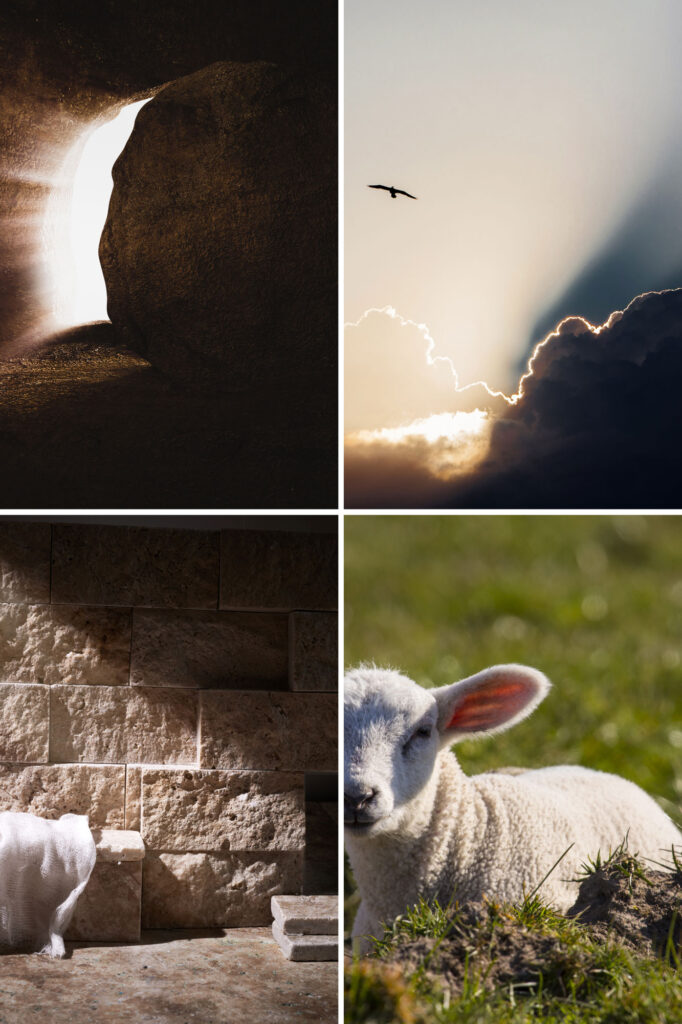
Please do not host a “Christian seder”

I’m not suggesting you not attend a seder if your Jewish friend invites you; take that as a big compliment and be a good guest. Ask questions, learn what you can, and follow their lead. Passover is often observed with very close friends and family (or, as has happened to me on a few occasions, with distant acquaintances and strangers who have taken you in because you are far from home), and being invited is genuinely meant as an honor.

But please don’t host your own, especially if you are trying to emulate Jesus or find parallels between Jewish ritual and Messianic Christianity.

There is a trend among Christians — mostly but not exclusively Protestants — towards observing Jewish ritual in general and the seder in particular. There are books on Judaism aimed at Christians, and there is a whole movement, the “Hebrew Roots” movement, dedicated to understanding the Jewish influence on Christianity. They include both more respectful practitioners, who consult detailed books on accurate Jewish practice, as well as ones who adopt a pastiche of (often incorrect) Hebrew.

Please do not host a “Christian seder” Read More »

Moedim (Holidays)

Why do we celebrate Jewish holidays, those in the Torah? Because Yeshua – Jesus – did! What a great opportunity to experience the joy, the rich relationship that G-d offers us through drawing near to him in community with other believers. Learn more here in our articles, and if the place where you worship doesn’t

Moedim (Holidays) Read More »

Fire on the Mountain

BY D. THOMAS LANCASTER The festival of Shavu’ot superimposes the giving of the Spirit in Jerusalem over the giving of the Torah at Sinai. The two events are forever inseparably linked. The ancient Jewish sages considered the biblical festival of Shavu’ot—also known as Pentecost—to be the anniversary of the day God spoke the Law at Mount Sinai.[1] “Three

Fire on the Mountain Read More »

Passover and Non-Jews

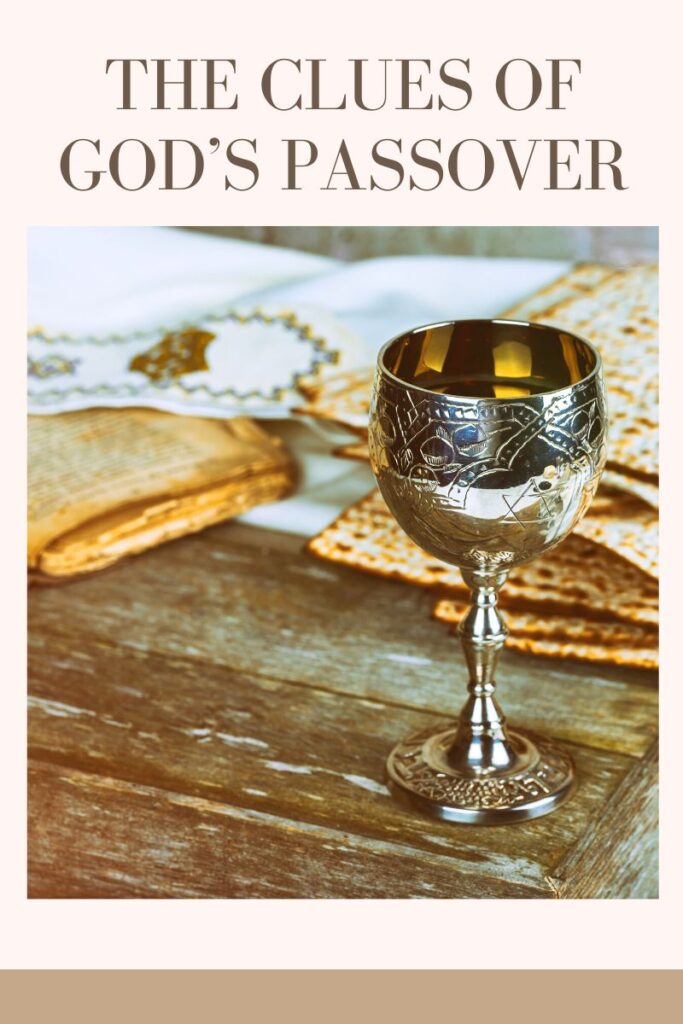
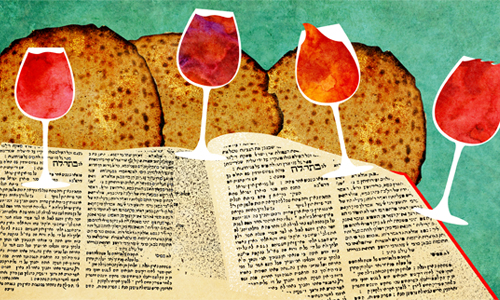
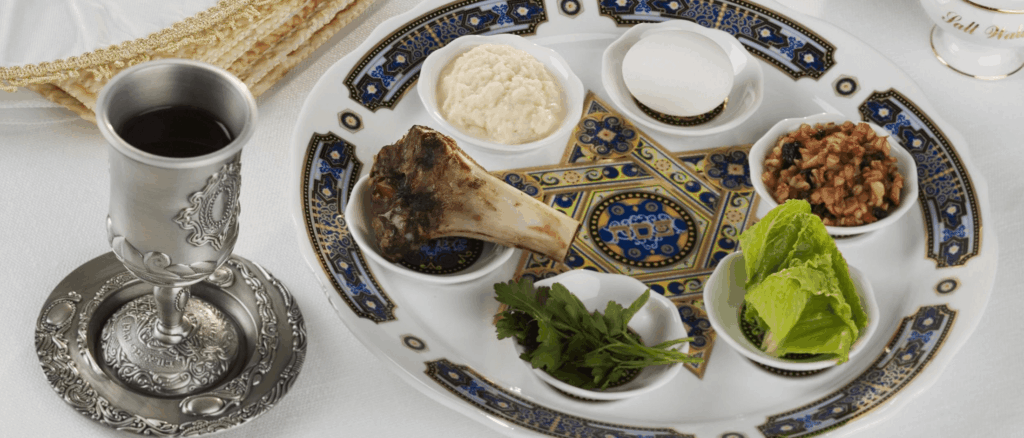
If there are aspects of the Passover Seder from which all people can learn, how much more so is this true for believers in Messiah? After all, our Master Yeshua chose the wine and the matzah of a Passover Seder to represent his body and blood. More than just learning about and celebrating the concept of freedom from oppression and exile, for disciples of Messiah, the seder celebrates Yeshua’s atoning death and resurrection while remaining firmly grounded and centered on God’s deliverance of the Jewish people from Egypt.

Gentiles being drawn to the God of Israel is a significant and beautiful part of this grand plan of redemption as we long for the even greater exodus that will come in the Messianic Era (Jeremiah 16:14-15). Rabbi David Fohrman writes:

The Exodus, as it actually happened in history, did not accomplish everything it might have. There is work yet to do to complete its unrealized vision. The procession that departed Egypt was a shadow of what it might have been. It will be the destiny of Jew and Gentile to one day realize the promise of that journey as it should have taken place: to march side by side and join hands, proclaiming in unison the oneness of a Father they both share.

Passover and Non-Jews Read More »

Chanukah

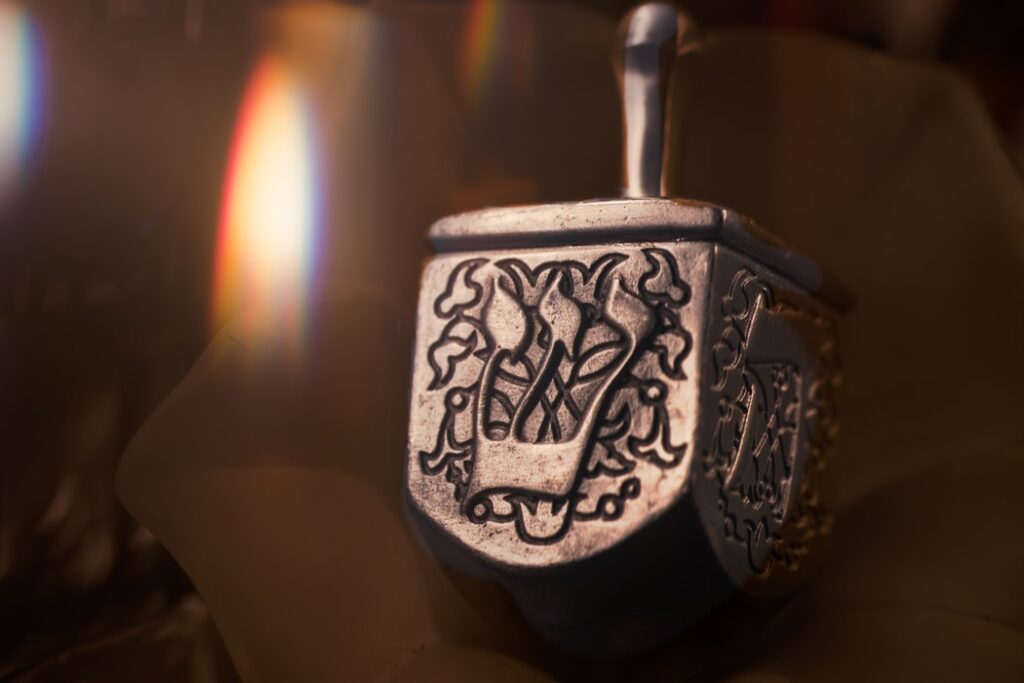
Chanukkah ( חנוכה ) means “dedication.” The Feast of Hanukkah is the Feast of Dedication. The events behind the festival of Hanukkah are found in the apocryphal book of 1 Maccabees. Therein the story is told of how Judah Maccabee and his heroic band of freedom fighters overthrew the tyrannical Seleucid forces that had subdued Judea and defiled the Jerusalem Temple.

The Hanukkah Story

In the time of Alexander the Great’s empire, the land of Israel found itself buffeted between world powers that sought to use her as a natural land bridge between Africa and Eurasia. The people of Israel were the victims of great political upheavals. War was never far from their land. In the meantime, another war was being waged among the people of Israel. Alexander’s conquests had introduced the world to Greek language, thought, custom, and philosophy.

Chanukah Read More »

Scroll to Top