
Oral Torah: How Israel Lived the Written Torah and Why Mark 7 Matters
By Enedina Guerrero When Christians hear the term “Oral Torah” (or “Oral Law”), they’re either unfamiliar with what it is, or they assume or were taught that it’s a collection…
By Enedina Guerrero When Christians hear the term “Oral Torah” (or “Oral Law”), they’re either unfamiliar with what it is, or they assume or were taught that it’s a collection…
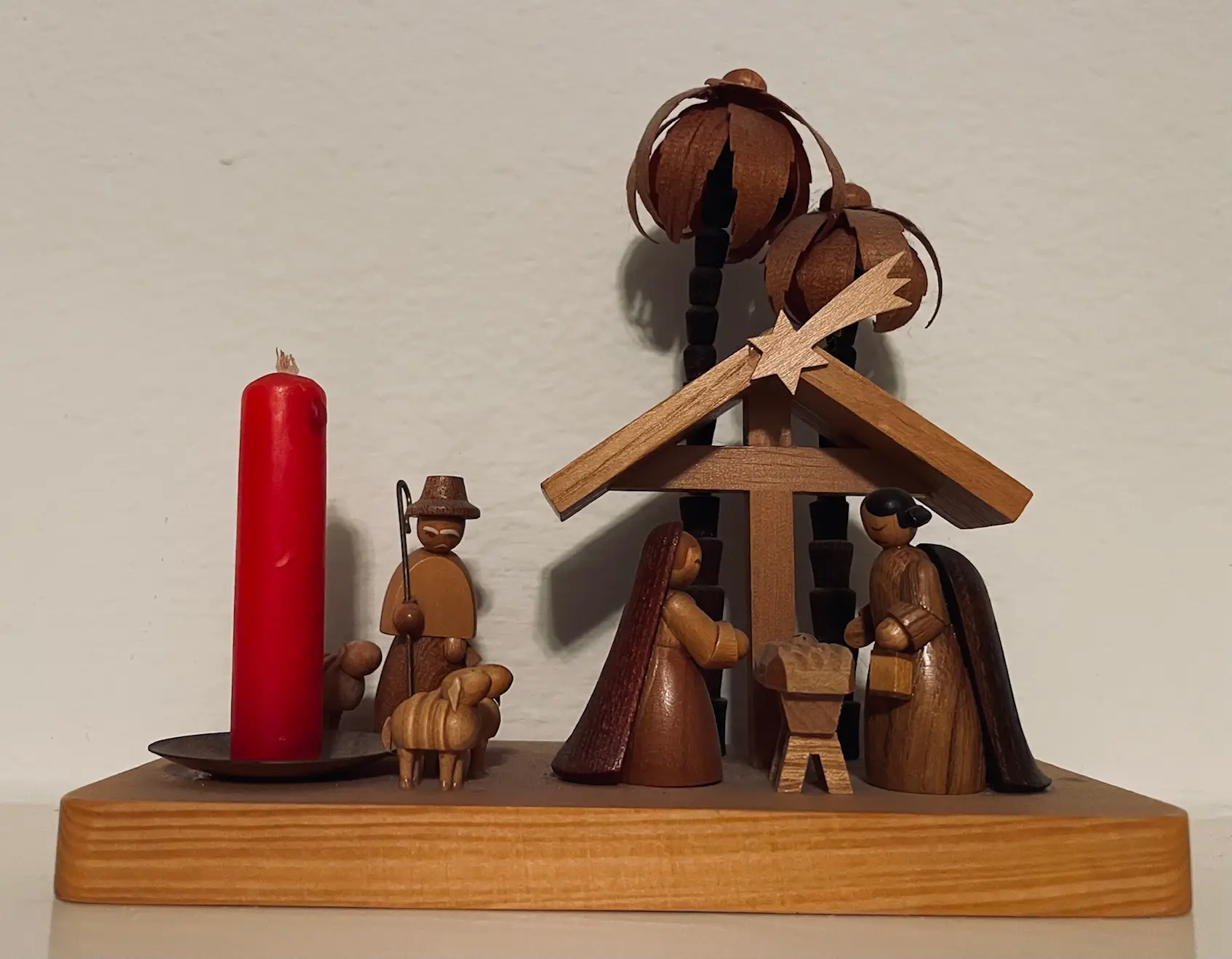
By Enedina Guerrero In Matthew’s account of Yeshua’s earliest years, he highlighted two sets of people whose opposing motives and actions deeply impacted Yeshua and His family’s life, as well…

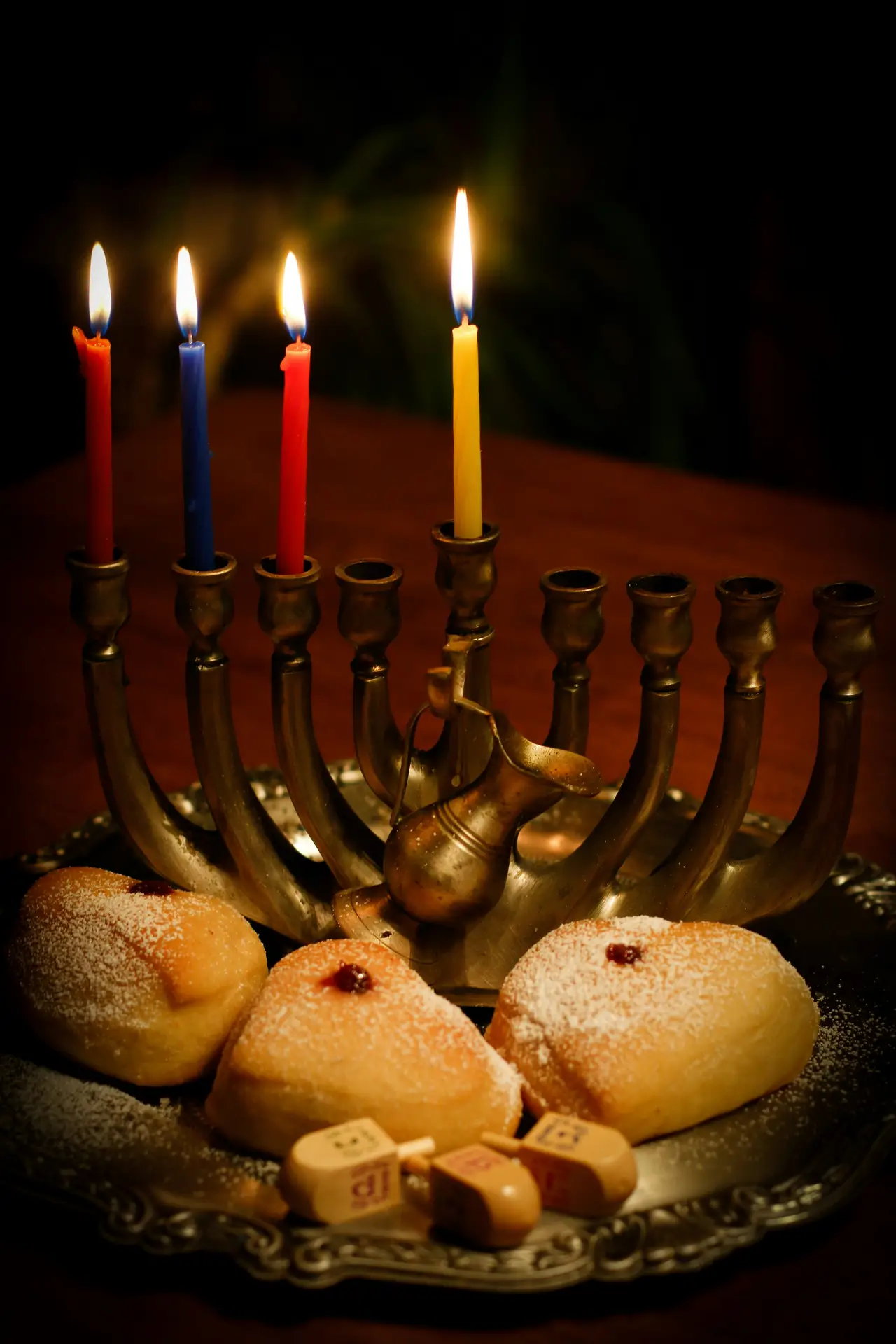
BY ENEDINA GUERRERO Chanukkah isn't in the Torah. You won't find its observance commanded alongside the seven Appointed Times listed in Leviticus 23 or Numbers 28–29. Yet this eight-day celebration…
By Enedina Guerrero With December finally here, preparations for Christmas have gone into full swing—hanging lights, buying gifts, participating in local activities, and planning festive meals for office or community…

The Appointed Times are G-d's way of marking redemptive history. These divine appointments reveal G-d's character and His plan for humanity.

The Wheat and the Tares: A Warning Yeshua’s parable of the wheat and the tares reminds us that not everything that looks righteous truly is. Rabbi Elijah Zvi Soloveitchik explains that tares resemble wheat at first, but over time they change form—they “deviate from the correct path.” In the same way, people may appear godly outwardly, yet their actions lead others away from God’s truth. Yeshua warns us to use discernment: to watch the fruit, not the appearance, and to measure every teaching against God’s Word. The righteous and the unrighteous may grow side by side for a season, but the harvest will reveal the difference. God calls us to remain steadfast as wheat—rooted, fruitful, and guided by His light.

As a child, I enjoyed peering through my kaleidoscope at the colorful fragments of glass as they shifted and formed beautiful mosaics with the subtle turn of the lens. What began as a jumbled mess of glass pieces turned into something incredible—once the focus shifted.
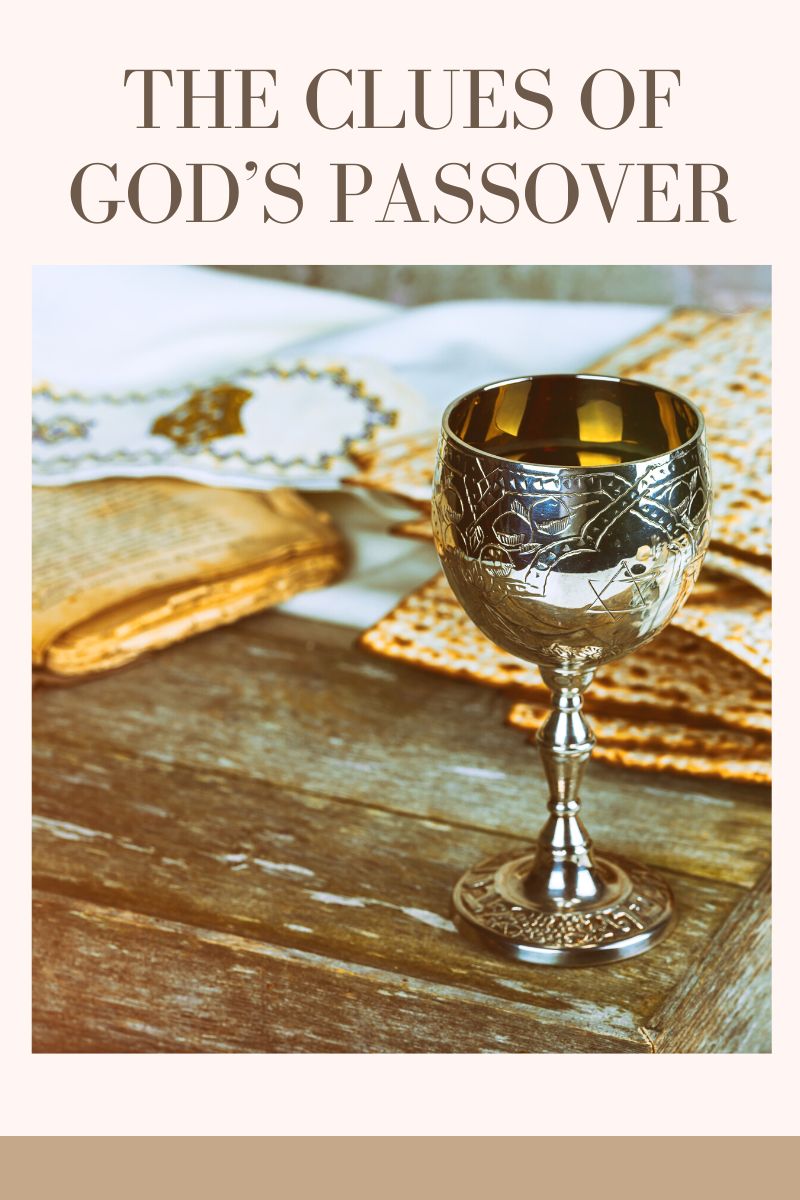
I hear many people, Jews and Christians alike, calling the festivals and assemblies of Leviticus 23 “Jewish Holidays.” And while I agree it is the Jews who reverently honor these Holy days, it is the voice of the Lord, who poignantly declares; “These are my feasts.”
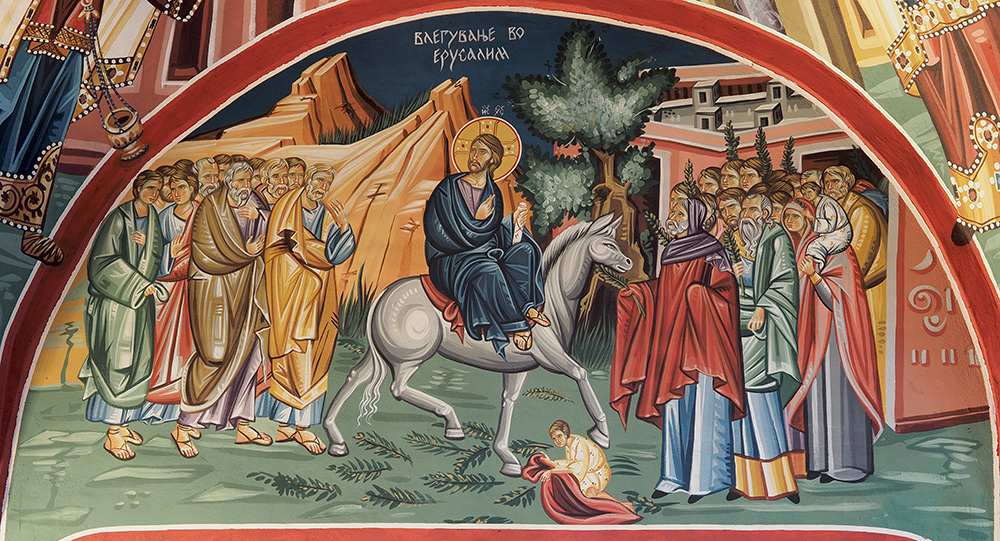
What might surprise Jewish readers of the New Testament are the Israel-affirming bits that show that the Gospels are thoroughly Jewish. Jesus and his rivals argue about food laws because, well, Jews argue about food laws. They argue about how to relate to Rome because that was a contentious issue in first-century Judea. They argue together with tools all Jews recognize and honor — the Torah and the life of worship and festival known as Judaism.
So what do we do with these texts that are still in our Christian Scripture? We don’t dismiss them. We situate them historically as I have done here — as a reflection of one claimant to the legacy of Israel clawing for space against another.
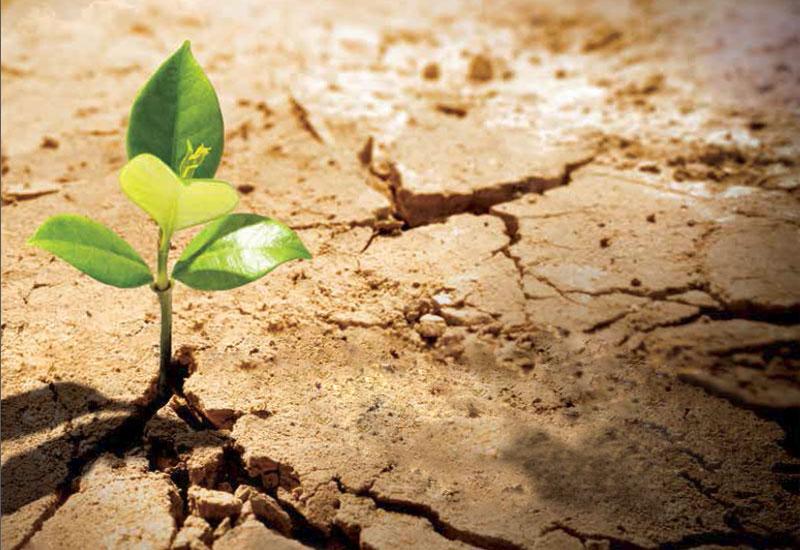
We believe in the biblical principle of restoration. God made everything in the world “very good” (Genesis 1:31). Yet, Adam's sin and Satan's rebellion caused much destruction. God's plan of redemption not only saves us from damnation,