
Oral Torah: How Israel Lived the Written Torah and Why Mark 7 Matters
By Enedina Guerrero When Christians hear the term “Oral Torah” (or “Oral Law”), they’re either unfamiliar with what it is, or they assume or were taught that it’s a collection…

By Enedina Guerrero When Christians hear the term “Oral Torah” (or “Oral Law”), they’re either unfamiliar with what it is, or they assume or were taught that it’s a collection…
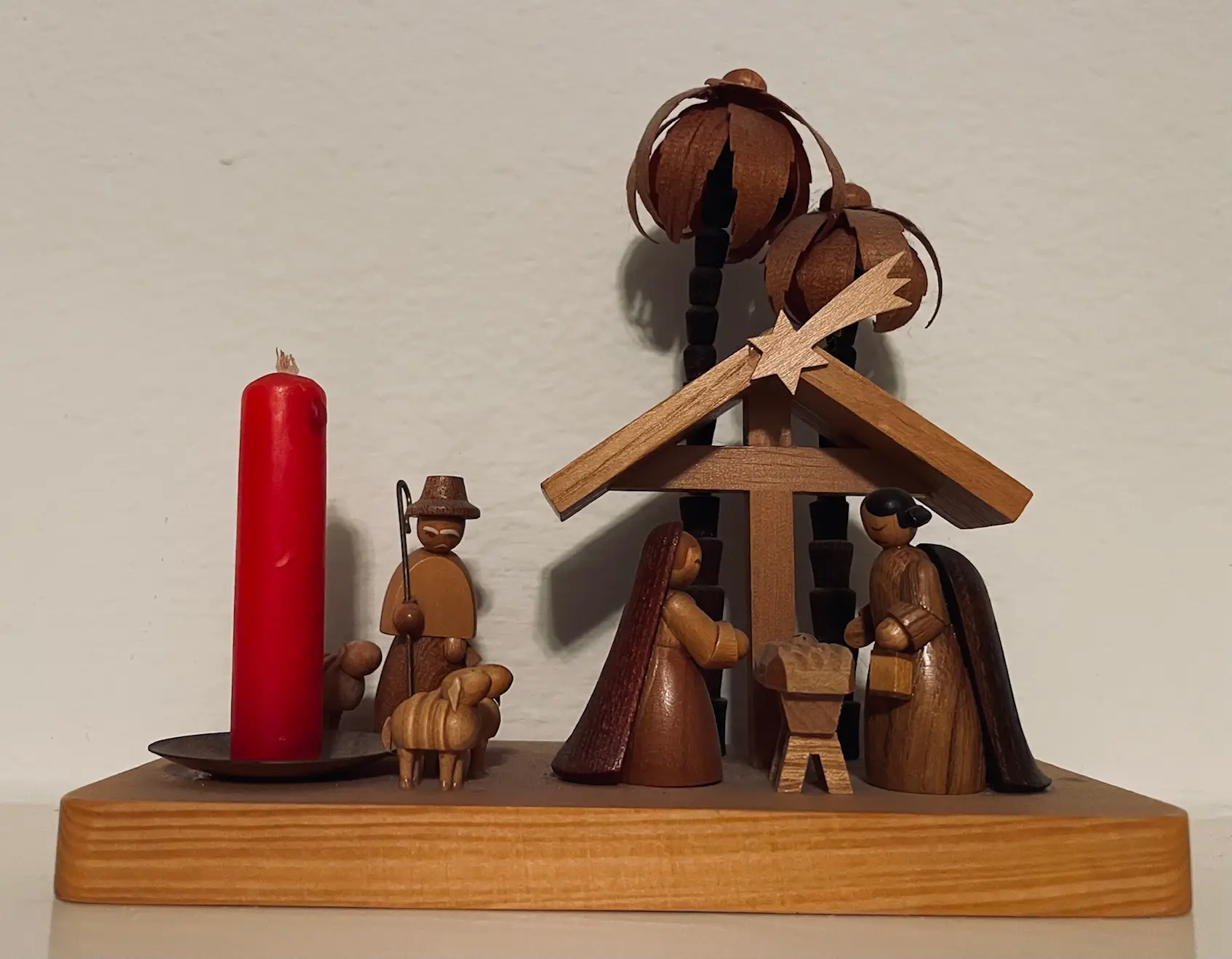
By Enedina Guerrero In Matthew’s account of Yeshua’s earliest years, he highlighted two sets of people whose opposing motives and actions deeply impacted Yeshua and His family’s life, as well…

The Appointed Times are G-d's way of marking redemptive history. These divine appointments reveal G-d's character and His plan for humanity.

The Wheat and the Tares: A Warning Yeshua’s parable of the wheat and the tares reminds us that not everything that looks righteous truly is. Rabbi Elijah Zvi Soloveitchik explains that tares resemble wheat at first, but over time they change form—they “deviate from the correct path.” In the same way, people may appear godly outwardly, yet their actions lead others away from God’s truth. Yeshua warns us to use discernment: to watch the fruit, not the appearance, and to measure every teaching against God’s Word. The righteous and the unrighteous may grow side by side for a season, but the harvest will reveal the difference. God calls us to remain steadfast as wheat—rooted, fruitful, and guided by His light.